October 10, 2026
Quick answer
Call 911 if palpitations occur with chest pain, shortness of breath, fainting, or feeling faint. Do not drive yourself. Sudden stroke symptoms also require 911—even if they disappear. If your heartbeat remains unusually fast or irregular and does not settle, seek emergency assessment rather than waiting for a particular time limit. A smartwatch recording is not a prerequisite for getting help. (nhs.uk)
A racing, fluttering, or pounding heartbeat after alcohol is a symptom—not a diagnosis. Your first decision is whether you need urgent help, not whether the episode deserves the label “holiday heart.” Alcohol can trigger palpitations and atrial fibrillation, but other causes are possible. (uhsussex.nhs.uk)
1. Call 911 for palpitations with these warning signs
Get emergency help if your unusual heartbeat comes with:
- Chest pain, pressure, or tightness
- Shortness of breath
- Feeling faint, fainting, or blacking out
- Significant dizziness, particularly when you feel you might collapse
These combinations can indicate a serious heart problem. Do not assume that drinking explains them or makes them less urgent. (uhsussex.nhs.uk)
A heart attack does not always cause dramatic, crushing chest pain. Symptoms may include discomfort in an arm, the back, neck, or jaw; unexplained sweating; nausea; breathlessness; or light-headedness. If you think you might be having a heart attack, call 911 even if you are unsure. An ambulance allows emergency personnel to assess you and begin treatment during transport. (nhlbi.nih.gov)
Tell the dispatcher your location, your symptoms, and that you have been drinking. Follow their instructions rather than trying a home remedy first.
For someone helping another person: inability to wake them, seizures, or slow or irregular breathing after drinking can signal alcohol overdose. Call 911 immediately; do not leave them alone or assume they can “sleep it off.” You do not need to see every overdose warning sign before calling. (niaaa.nih.gov)
2. Recognize stroke symptoms—even if they stop
Sudden neurological symptoms need emergency help whether or not you have palpitations or a known heart condition. The American Stroke Association uses B.E. F.A.S.T. to describe key signs:
- Balance: sudden loss of balance or coordination
- Eyes: sudden vision changes
- Face: drooping or numbness on one side
- Arm: weakness or numbness, particularly on one side
- Speech: slurred speech, difficulty speaking, or trouble understanding
- Time: call 911 immediately
Note when symptoms first appeared if you can do so without delaying the call. (stroke.org)
Do not dismiss sudden slurred speech or trouble walking as intoxication simply because someone has consumed alcohol. These are recognized stroke warning signs and require emergency assessment. (stroke.org)
Improvement is not an all-clear. A transient ischemic attack, or TIA, can cause stroke-like symptoms that disappear. You cannot distinguish it safely from a stroke at home. Get emergency help even if the person seems back to normal. (stroke.org)
3. Know when clinical assessment is still needed
Palpitations that are ongoing and do not go away need emergency assessment, even without the accompanying symptoms listed above. Do not use a timer to decide how long you must wait before seeking help. (nhs.uk)
If the episode has stopped and you feel well, arrange clinical assessment when palpitations:
- Keep returning or happen more often
- Last longer than your usual brief episodes
- Occur when you have a known heart condition
- Occur with a family history of heart problems
If palpitations occurred with breathlessness or feeling faint but those symptoms have now stopped, seek urgent clinical advice rather than leaving the episode for a routine future visit. Suspected stroke or heart attack still belongs on the emergency pathway. (nhs.uk)
When contacting a clinic, start with what happened—not just “I drank too much.” For example: “I had a new irregular heartbeat after drinking. It has stopped, but I need advice about assessment.”
A brief, resolved episode without other symptoms is not automatically an emergency. However, recurrence, worsening symptoms, or concern about the episode are reasons to speak with a clinician. (uhsussex.nhs.uk)
4. Understand what “after drinking” can—and cannot—tell you
Palpitations describe noticing an unusual heartbeat: racing, pounding, fluttering, or skipped beats. They can arise from alcohol, lack of sleep, stress, medicines, thyroid problems, anemia, or a heart rhythm disturbance. The sensation alone does not identify the cause. (uhsussex.nhs.uk)
Atrial fibrillation, or AFib, is one possible rhythm disturbance. Heavy drinking, particularly binge drinking, raises AFib risk. Even modest amounts can trigger AFib in some people. That does not establish a personally safe amount for someone who has experienced symptoms. (nhlbi.nih.gov)
The term “holiday heart” describes alcohol-associated rhythm disturbances, often AFib, after heavy drinking. It is not a diagnosis you can make from the timing of symptoms alone, and it is not limited to holidays.
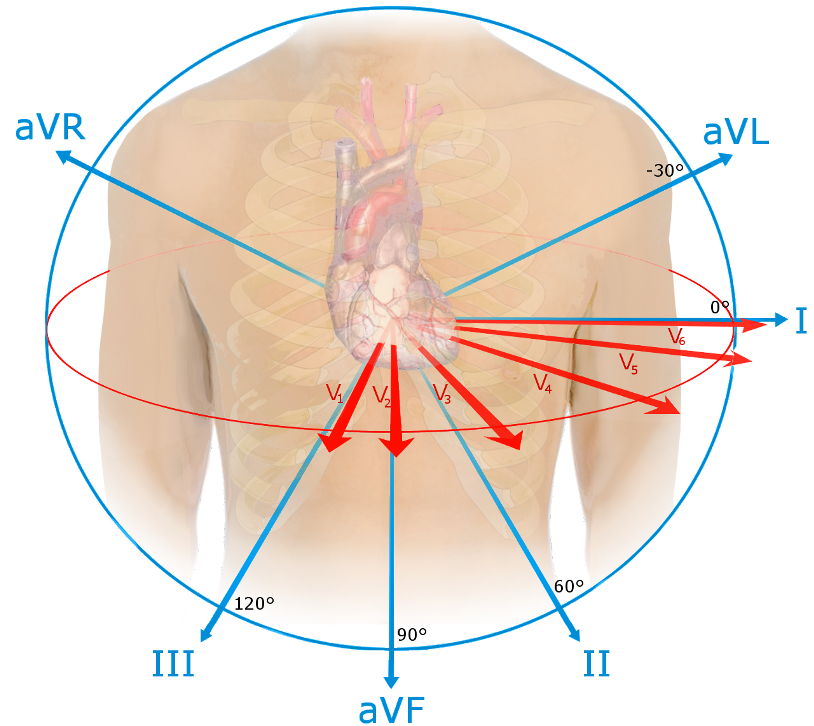
For an initial AFib diagnosis, professional guidance calls for a clinician to review the heart’s recorded electrical signals. Feeling an irregular pulse or receiving an automated device alert is not enough by itself. (heart.org)
The practical mistake to avoid is treating an explanation as reassurance: “It happened after alcohol” does not answer “Is it safe to wait?”
5. Tell the clinician the story, not just the drink count
Your medical history, symptoms, and examination help clinicians decide what testing is appropriate. Existing heart disease, blood pressure problems, sleep apnea, alcohol use, and other conditions may be relevant. (nhlbi.nih.gov)
If doing so will not delay care, organize the following information:
| Information | What to say or record |
|---|---|
| Onset | When you first noticed the heartbeat change; whether the time is exact or approximate |
| Sensation | Racing, fluttering, pounding, skipped beats, or an irregular pattern |
| Course | Whether it is still happening, stopped, or has returned |
| Other symptoms | Chest discomfort, breathlessness, dizziness, fainting, or neurological changes |
| Alcohol | Beverage type, approximate quantity, serving size, and drinking times |
| Other substances | Medicines, supplements, caffeine, nicotine, or recreational drugs |
| Background | Previous episodes, diagnosed AFib, other heart conditions, and relevant family history |
The table is an organizational aid—not a checklist you must complete before asking for help. Medical history and rhythm testing are central to assessment, while alcohol, medicines, and other substances can help explain the circumstances. (nhlbi.nih.gov)
Use plain estimates. “Two glasses of wine; I do not know the pour size” is more useful than guessing an exact alcohol dose. Tell the clinician when information is uncertain.
6. Save smartwatch data only when it does not delay help
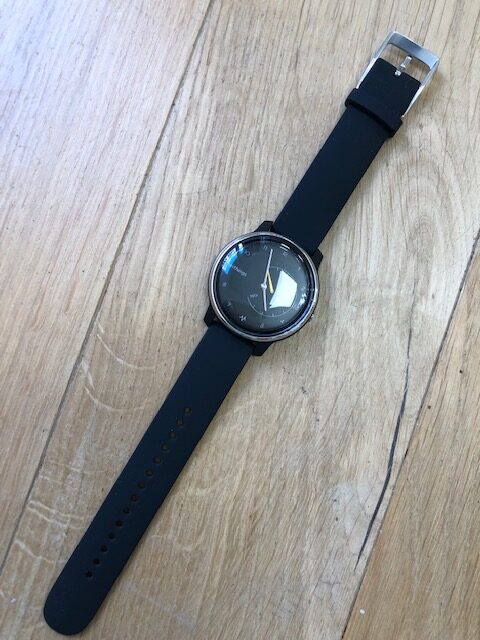
Some consumer devices record an electrocardiogram, abbreviated ECG or EKG. Others infer irregularity from pulse measurements. Professional guidance distinguishes these signals: a pulse-based alert cannot establish AFib, and an ECG recording still needs clinician interpretation for an initial diagnosis. (heart.org)
A device can contribute information, but it should not decide whether you respond to emergency symptoms.
Useful documentation: preserve an existing alert or tracing, along with its timestamp, when this does not interfere with contacting care.
Unsafe delay: repeatedly recording until the app produces a clear label, charging a device before calling, or waiting for an alert to confirm chest pain or faintness. Emergency guidance is based on symptoms, not obtaining a wearable result. (heart.org)
Worked example—illustrative, not a patient account
Someone notices a racing heartbeat after drinking. They also develop chest pressure and feel faint. Their watch cannot classify the rhythm.
The appropriate action is to call 911—not repeat the recording. They can tell the dispatcher: “My heart is racing, I have chest pressure, and I feel faint. I have been drinking.” A companion can preserve any existing recording while help is on the way, but the call comes first. (uhsussex.nhs.uk)
By contrast, someone whose brief episode has ended and who has no warning signs can save an existing tracing and contact their clinician about assessment, especially if episodes recur. (nhs.uk)

7. Prepare for assessment and a clear follow-up plan
Assessment may include checking your pulse and blood pressure, examining your heart and lungs, and recording an ECG. Depending on the findings, clinicians may order blood tests—for example, to check potassium or thyroid hormone—or other heart tests. Not everyone needs the same investigations. (nhlbi.nih.gov)
If an abnormal rhythm is intermittent, a short ECG may not capture it. A clinician may recommend a wearable rhythm monitor to investigate episodes outside the appointment. A normal short recording therefore does not necessarily explain earlier symptoms. (heart.org)
Useful questions include:
- “Was an abnormal rhythm recorded, or is the cause still uncertain?”
- “Would a longer rhythm monitor help?”
- “What should I do if this happens again?”
- “Which symptoms mean I should call 911?”
- “What should we discuss about alcohol and my medicines?”
- “If AFib is confirmed, how will you assess my blood-clot risk?”
These questions reflect the distinction between identifying the rhythm, investigating contributing conditions, and planning treatment. (nhlbi.nih.gov)
If you drink heavily over a prolonged period or have had withdrawal symptoms before, tell the clinician. Abruptly stopping after prolonged heavy drinking can cause potentially life-threatening withdrawal. Seek medical help to plan a safe change rather than attempting a home detox. (rethinkingdrinking.niaaa.nih.gov)
The priority is straightforward: respond to warning signs first, document only when it does not delay care, and obtain a clinical explanation rather than assuming alcohol makes the episode harmless.